
What is buhurt
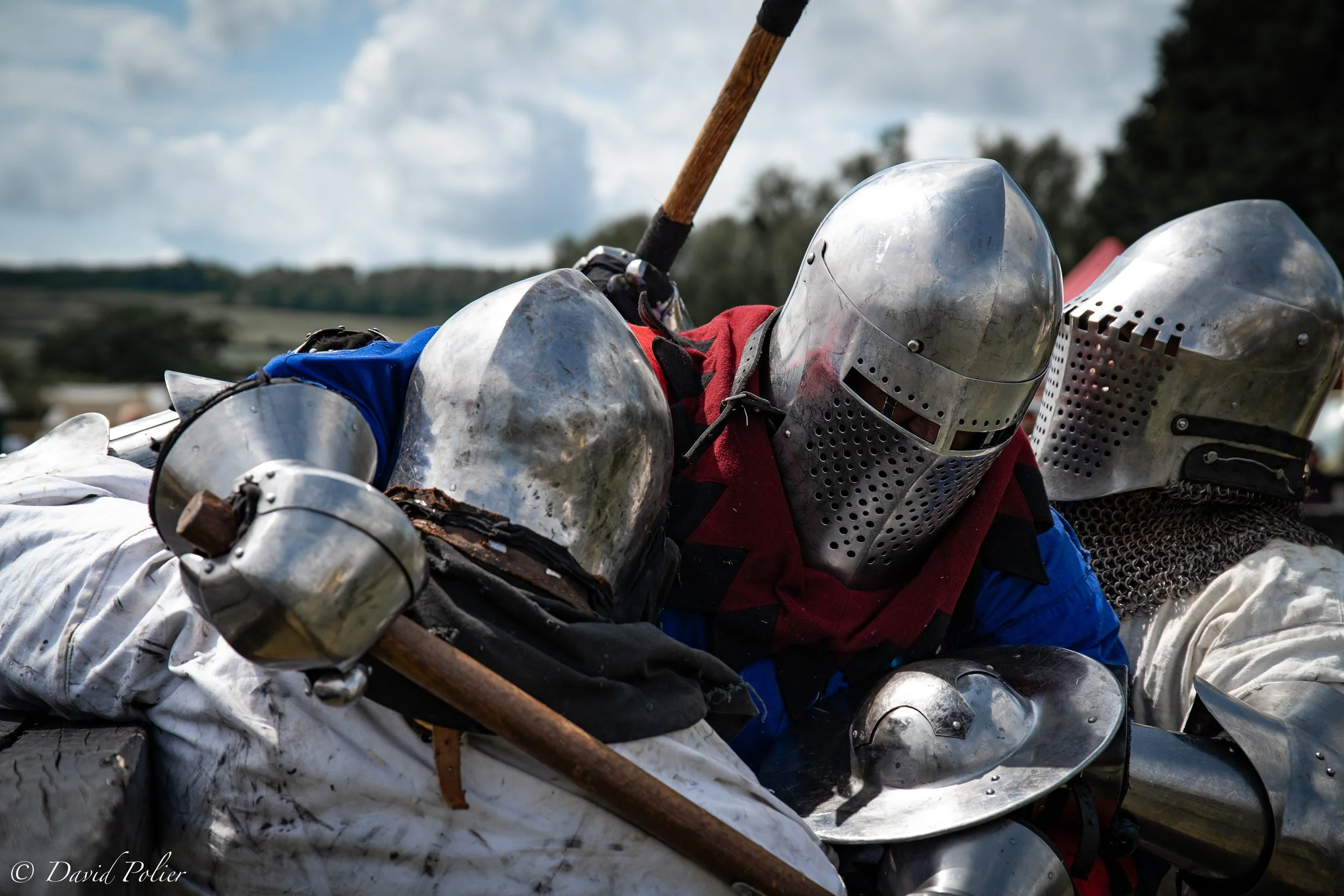
What a tournament feels like today
A modern buhurt tournament combines serious sport with the atmosphere of a medieval festival. Fighters prepare backstage in full armour, teams strategise before entering the lists, and referees enforce rules while crowds gather just meters away.
For spectators, it’s fast, loud, and immersive: steel striking steel, shields locking, teams pushing for control, and the roar of the audience as fighters go down. Events like the Leodis Cup carry forward that same medieval mix of competition and spectacle — real athletes, real impact, and a show that feels both historic and immediate.
For many people, watching a tournament is the moment the sport clicks. What starts as curiosity often turns into admiration… and sometimes into the thought: I could try this.
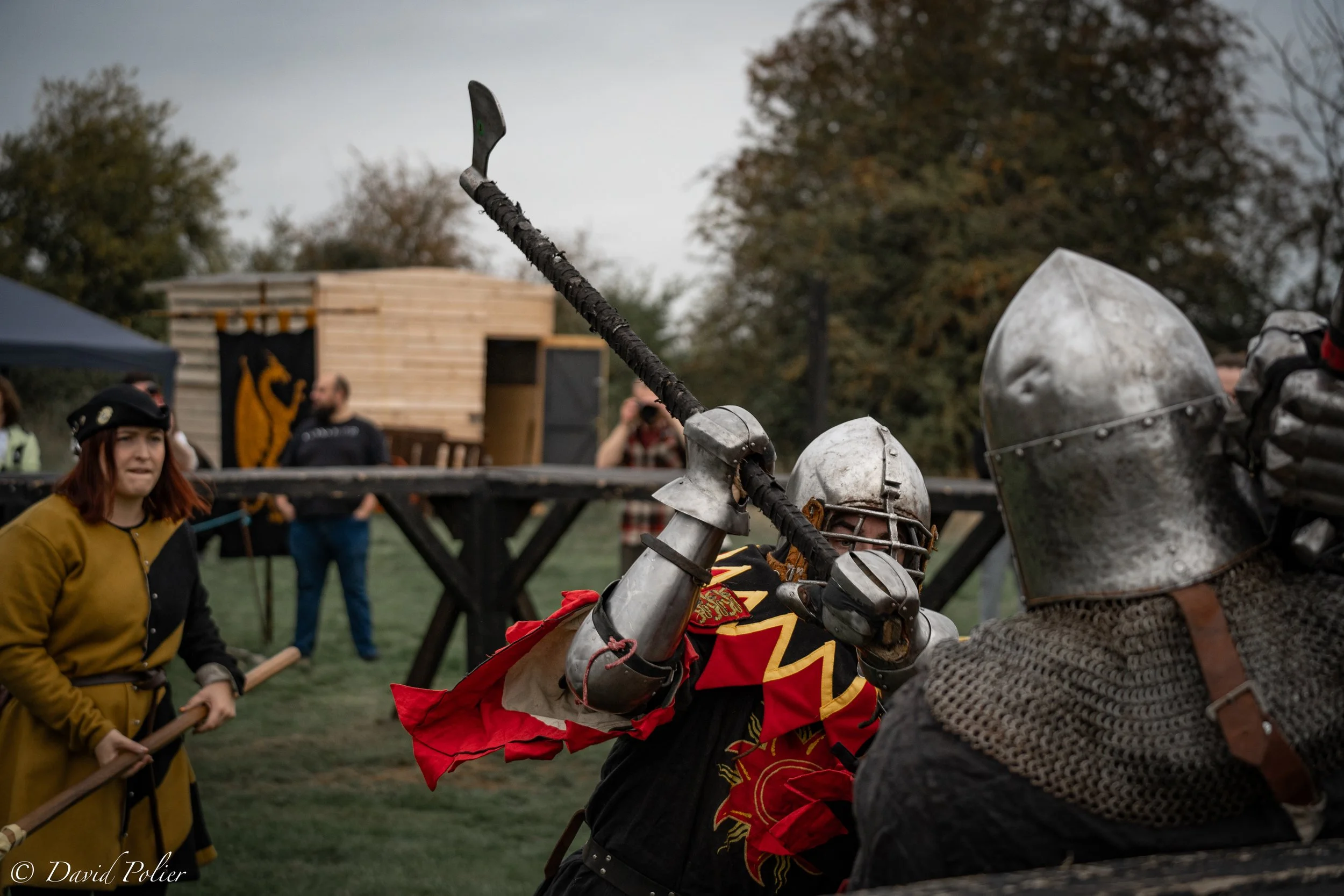
From medieval tournament to modern sport
The word buhurt comes from medieval tournament culture, where groups of armed fighters would clash in large mock battles as part of public festivals and knightly competitions. In the 13th–14th centuries, these contests acted as both training for war and entertainment for crowds, often staged as mass melees between teams of mounted or foot soldiers. They were not always strictly “games” — some sources suggest they could blur the line between sport, training, and real combat practice.
These early buhurts drew spectators, markets, and travelling fighters, creating events that were as much social gatherings as martial contests. The idea was simple: skill, courage, teamwork, and spectacle in front of a watching crowd. That core spirit is exactly what survives in the sport today.
Buhurt today: real combat, modern rules
Modern buhurt is a full-contact combat sport where fighters wear historically inspired steel armour and compete with blunted weapons such as swords, axes, and polearms. Unlike reenactments, matches are fought with genuine athletic intent and regulated by referees and safety rules. Fighters train for strength, technique, and stamina, and equipment is inspected to ensure both authenticity and protection.
Organisations such as Buhurt International aim to develop the sport at a high competitive standard, supporting teams, leagues, and tournaments worldwide. Modern competitions include duels, small team fights, and large melee battles where teamwork and tactics matter just as much as power or aggression.
For participants, buhurt is often described as more than a sport — it blends physical challenge, historical craft, and a strong international community.
-
Buhurt — core rules and regulations; A brief and simplified explanation.
Objective
Teams fight in full-contact combat to put the opposing team down on the ground, when all opposing fighters are grounded the team standing wins.
Teams and formats
Common formats: 5v5, 12v12, 21v21, AllvAll, Duels and Outrance. Team size and bout type are set by event organizers and the official regulations.
Equipment
Armor and weapons must be historically inspired, structurally sound, and pass technical inspection.
Mandatory protective elements include hardened steel helms, torso armour, arms, legs, gauntlets and feet as specified by the official ruleset.
Weapons are blunt, historically modeled, and meet length/weight limits.
Conduct and fouls
Prohibited actions: stabbing, striking the back of the head/neck, groin, backside of knees, throat strikes, attacks to the feet, choking, or hitting a downed opponent.
Unsportsmanlike conduct, foul language or intentional dangerous actions lead to warnings, penalties, or disqualification.
Scoring and victory
Grounding an opponent by having 3 contact points, or torso contact with the ground.
This in simple terms means putting them on the floor with grappling techniques, trips or throws, forcing them to sit down by striking them with weapon, shield, fist, elbow, knee or feet, or even tackling them so they fall.
Referees and marshals
Multiple referees/marshals oversee the fight, enforce rules, issue warnings, and stop bouts for safety.
They can call resets, award penalties, and disqualify fighters or teams.
Penalties and appeals
Penalties escalate: warnings, point deductions, temporary ejection, disqualification.
Training and responsibility
Fighters are responsible for knowing rules, maintaining safe gear, and training to avoid prohibited techniques.
Teams are responsible for their members’ conduct and equipment compliance.
DISCLAIMER: This is a concise summary; competitors must read and follow the full official Buhurt International rules and regulations for complete technical specifications, weapon/armor measurements and detailed tournament procedures.
Official Buhurt Rules and Regulations: https://www.buhurtinternational.com/rules
-
Technical requirements
Armor and weapons: Competitors must use period-authentic steel armor and blunt steel weapons that meet weight, thickness, and construction specs (no sharp edges). Helmets require full-face protection. Shields, polearms, swords, axes and maces all have strict dimensions.
Safety equipment:
Helmets and armor are regularly inspected by marshals; any defects or noncompliant gear are ruled out or awarded penalty.
Historical accuracy
Equipment authenticity: Rules encourage historically grounded materials and construction methods—steel plate, leather, historically plausible textiles — and discourage visible modern materials or iconography that break the visual of medieval combat.
Aesthetic standards: Armor and shields should reflect historical design for the represented period and region; anachronistic elements are restricted in tournament classes that emphasize authenticity.
Practical balance: Historical accuracy is balanced against safety. Some historical techniques or weapon forms are adapted or banned if unsafe; weight, edge dulling, and geometry are standardized to preserve period appearance while protecting participants.
Bottom line: The rules fuse strict safety and competitive technical standards with requirements that preserve a credible historical look, allowing intense combat that still honors the medieval heritage for participants and spectators.